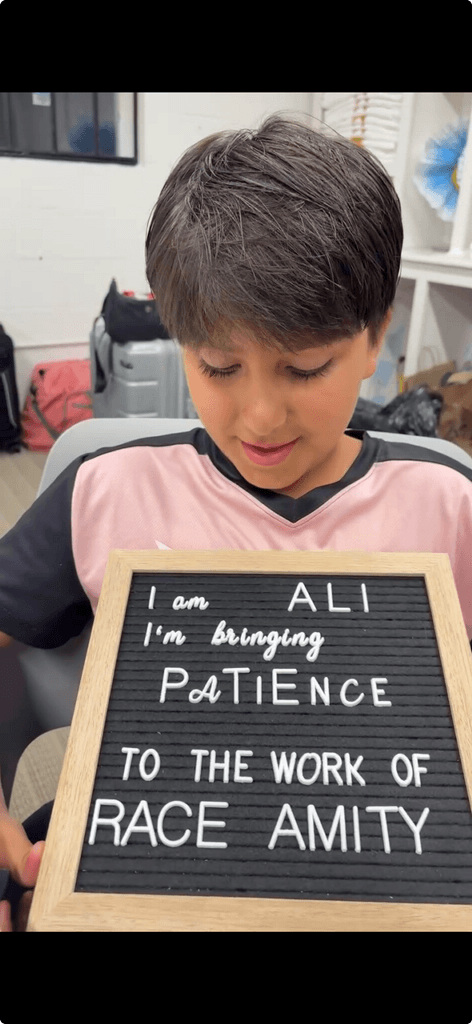
Patience
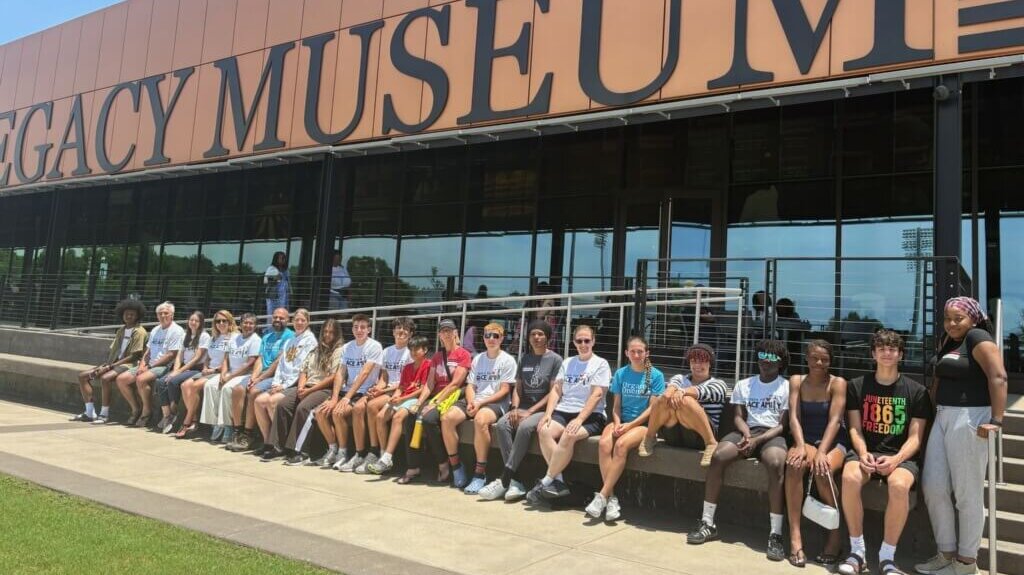
Legacy Museum AL
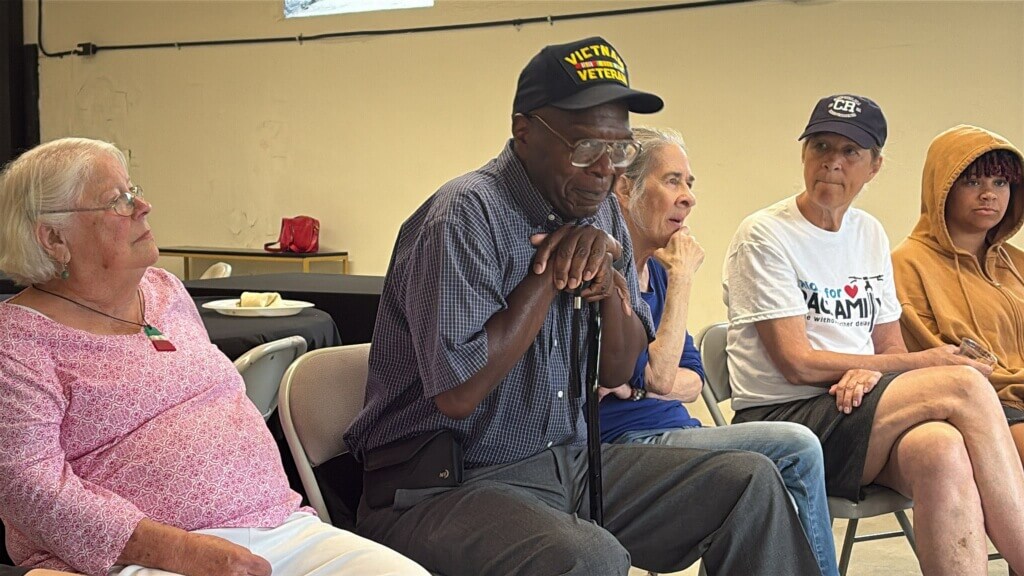
Roundtable participants
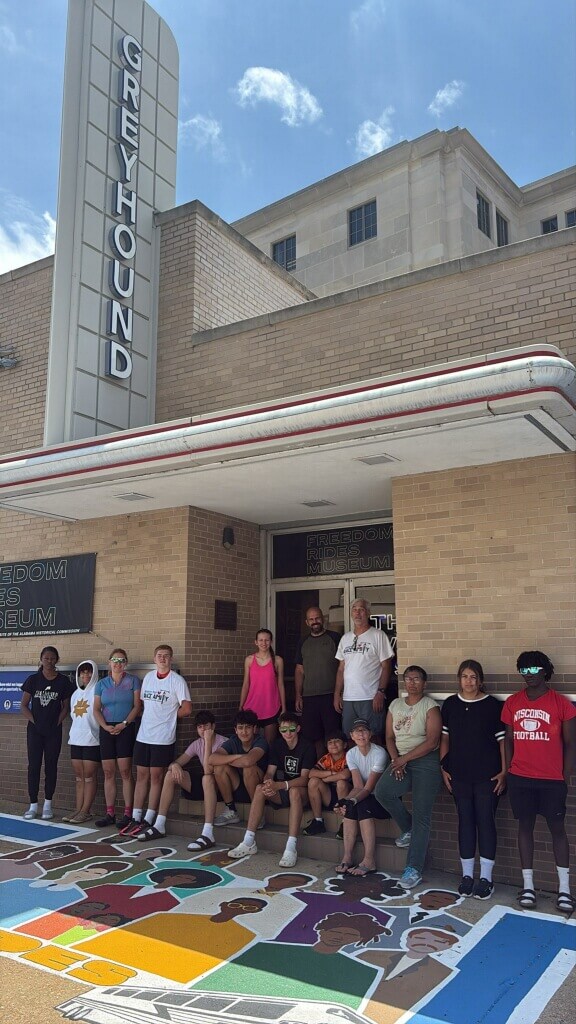
Freedom Riders National Monument Anniston AL
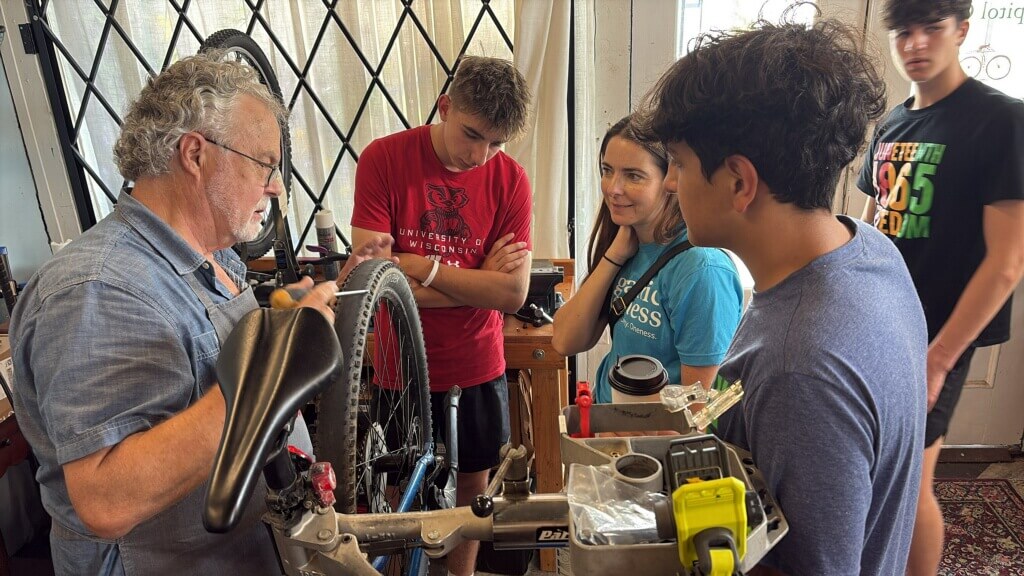
Bike maintenance
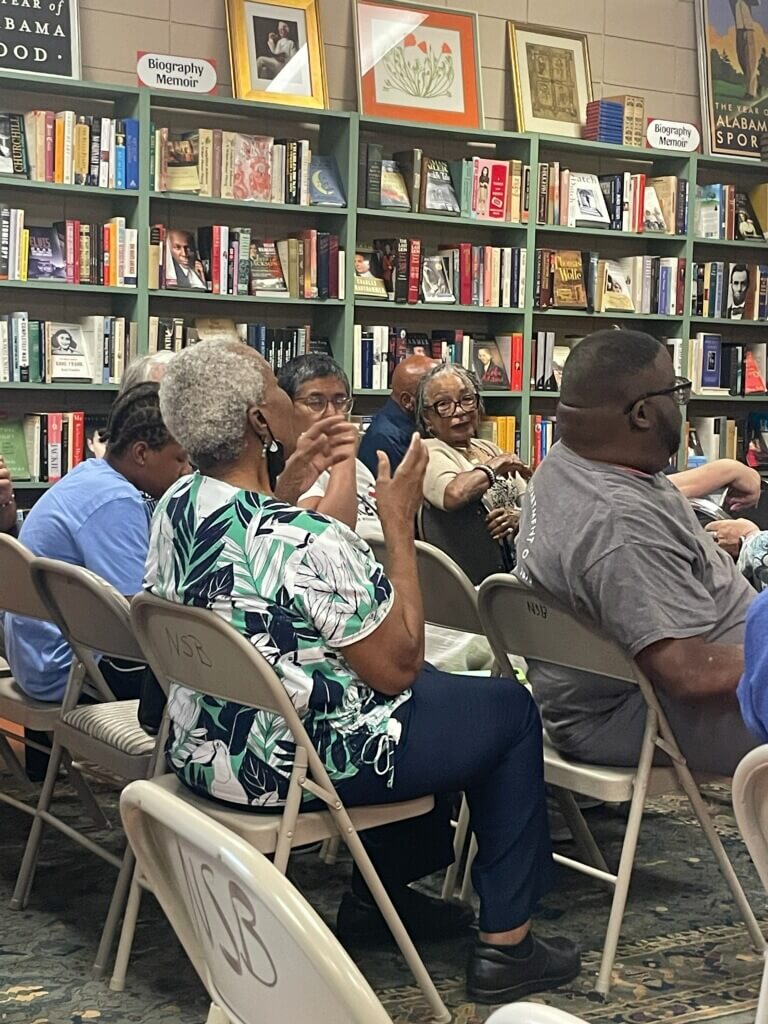
Leading a Roundtable
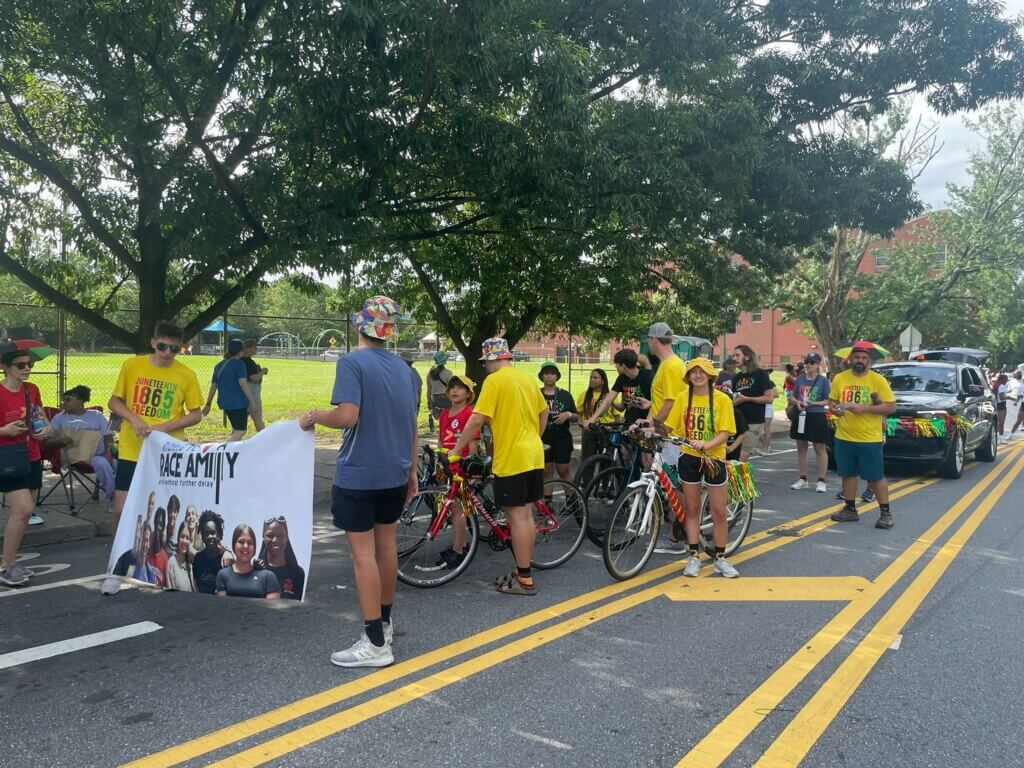
At the Atlanta Juneteenth Parade
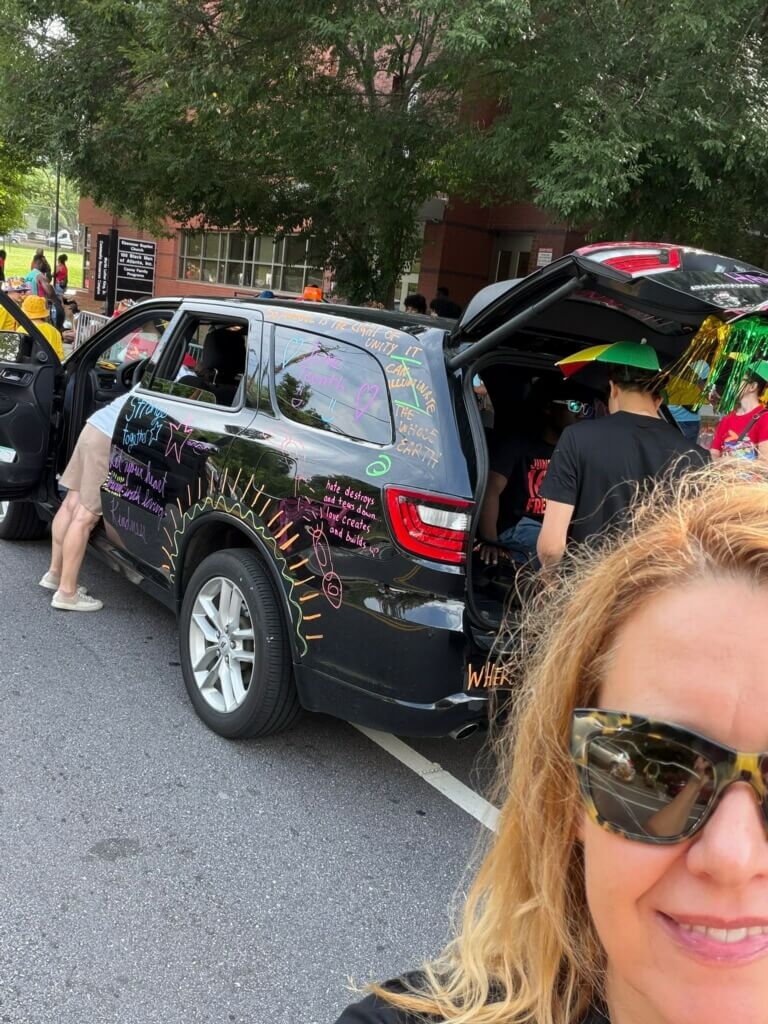
Prepping for the Atlanta Juneteenth Parade
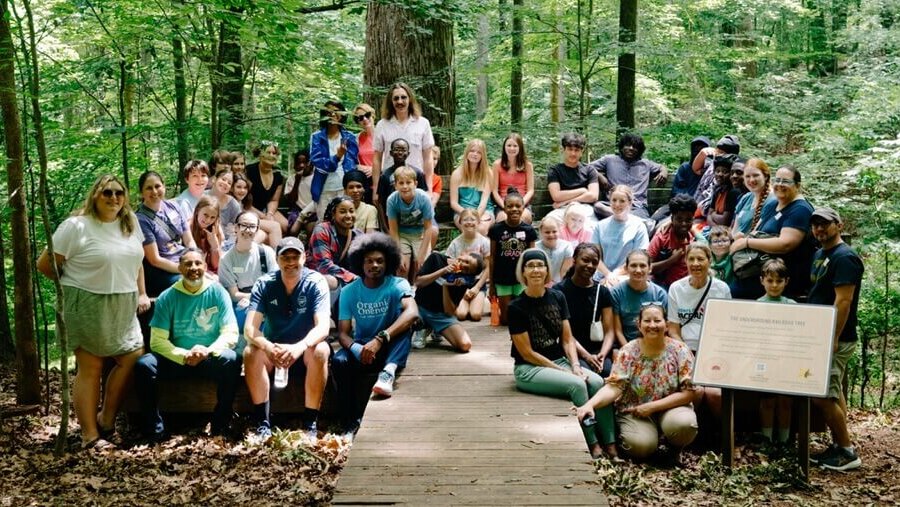
The Underground Railroad Tree
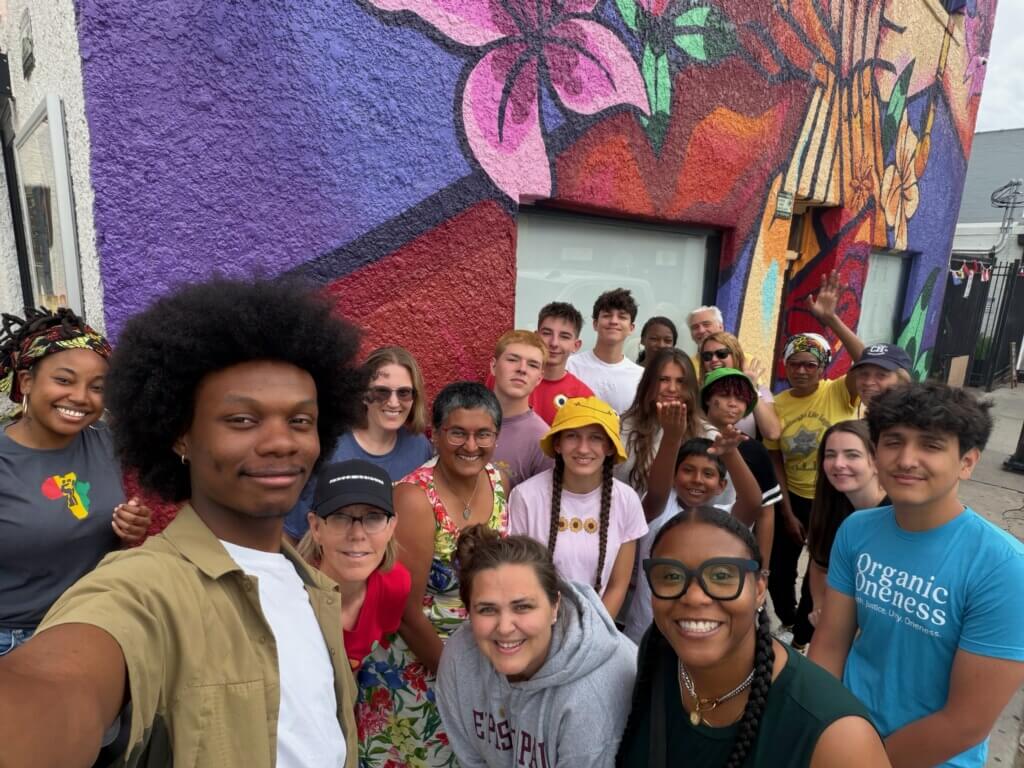
At the Atlanta Race Amity Institute
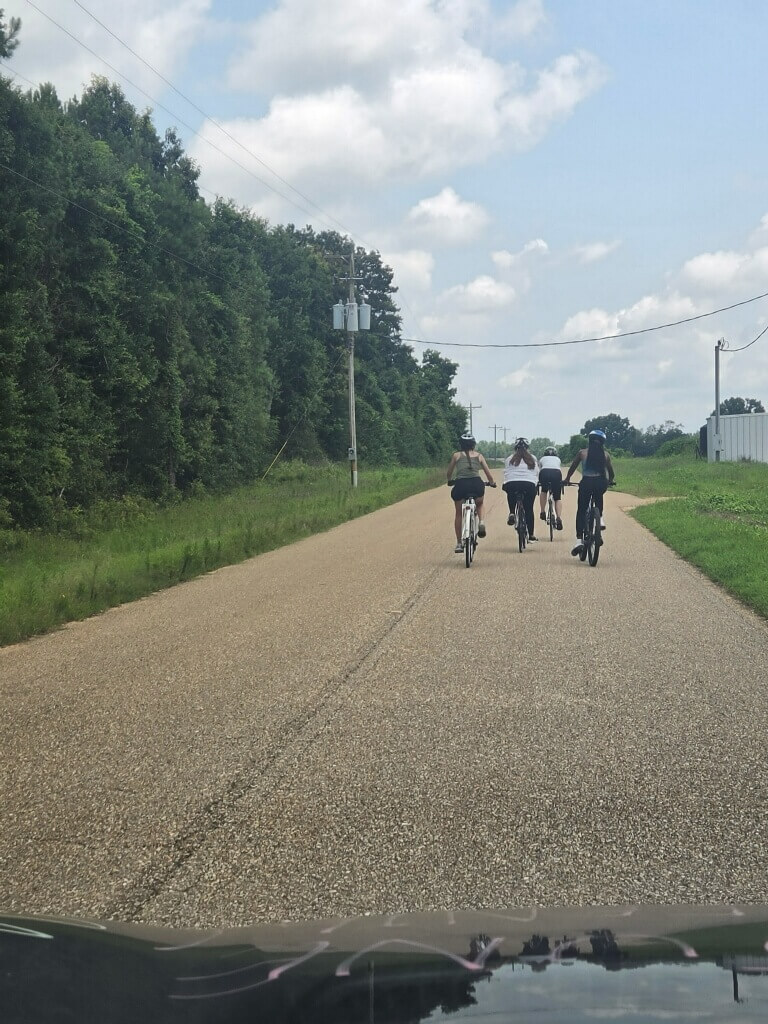
On the road
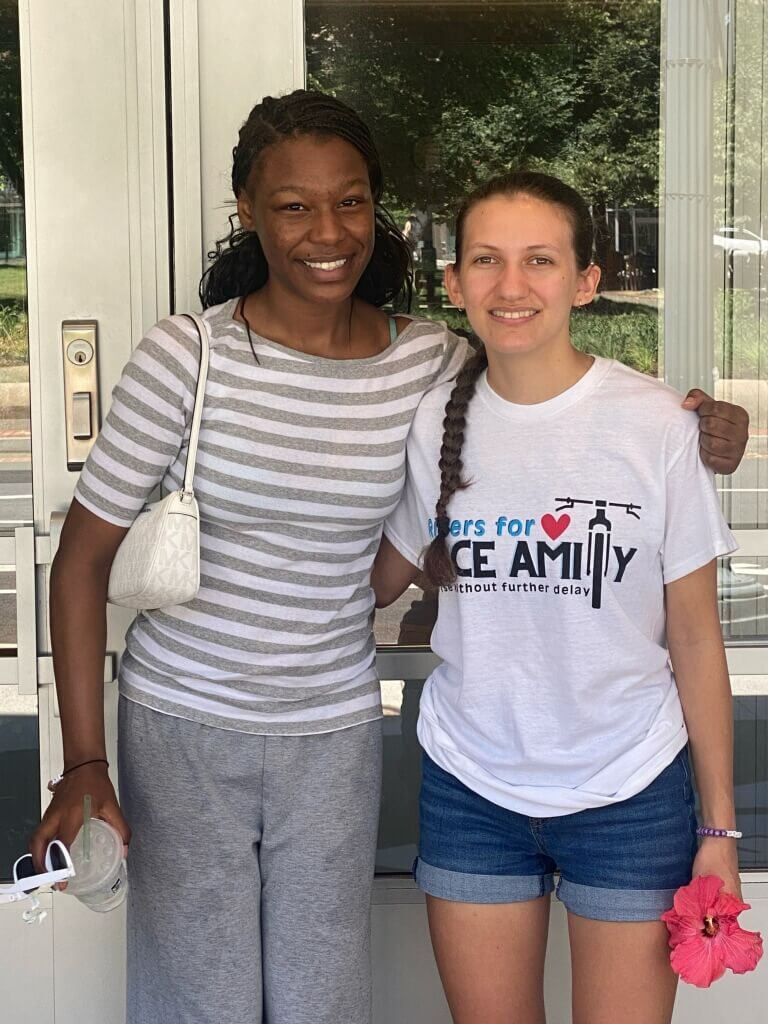
Two Riders
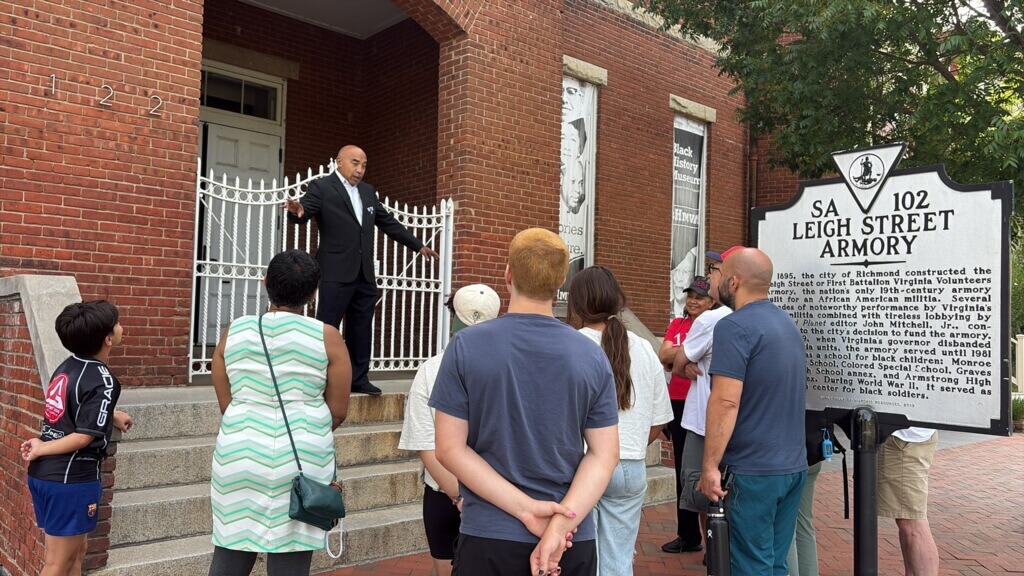
At the Leigh St Armory in Richmond VA
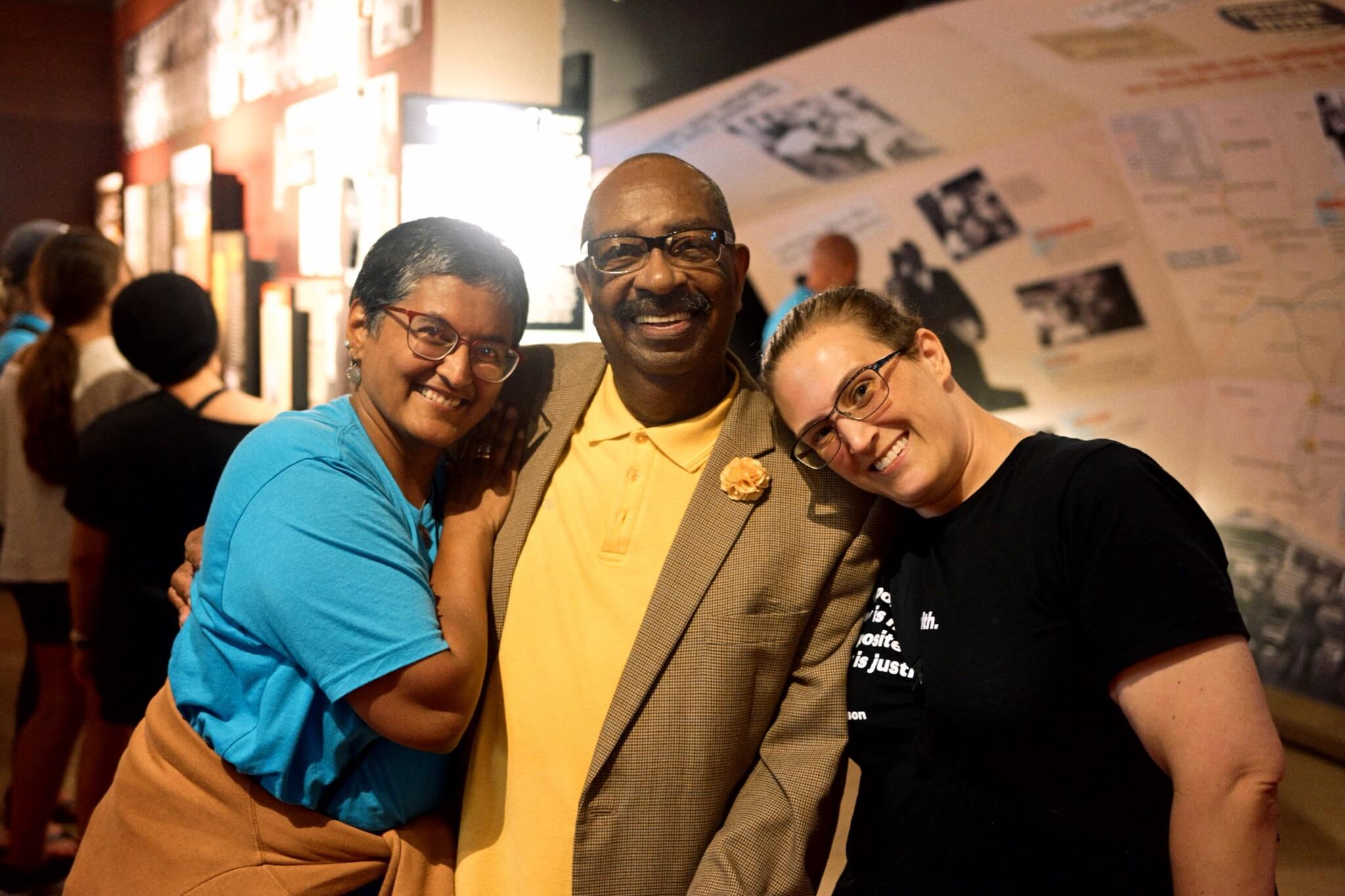
New friends
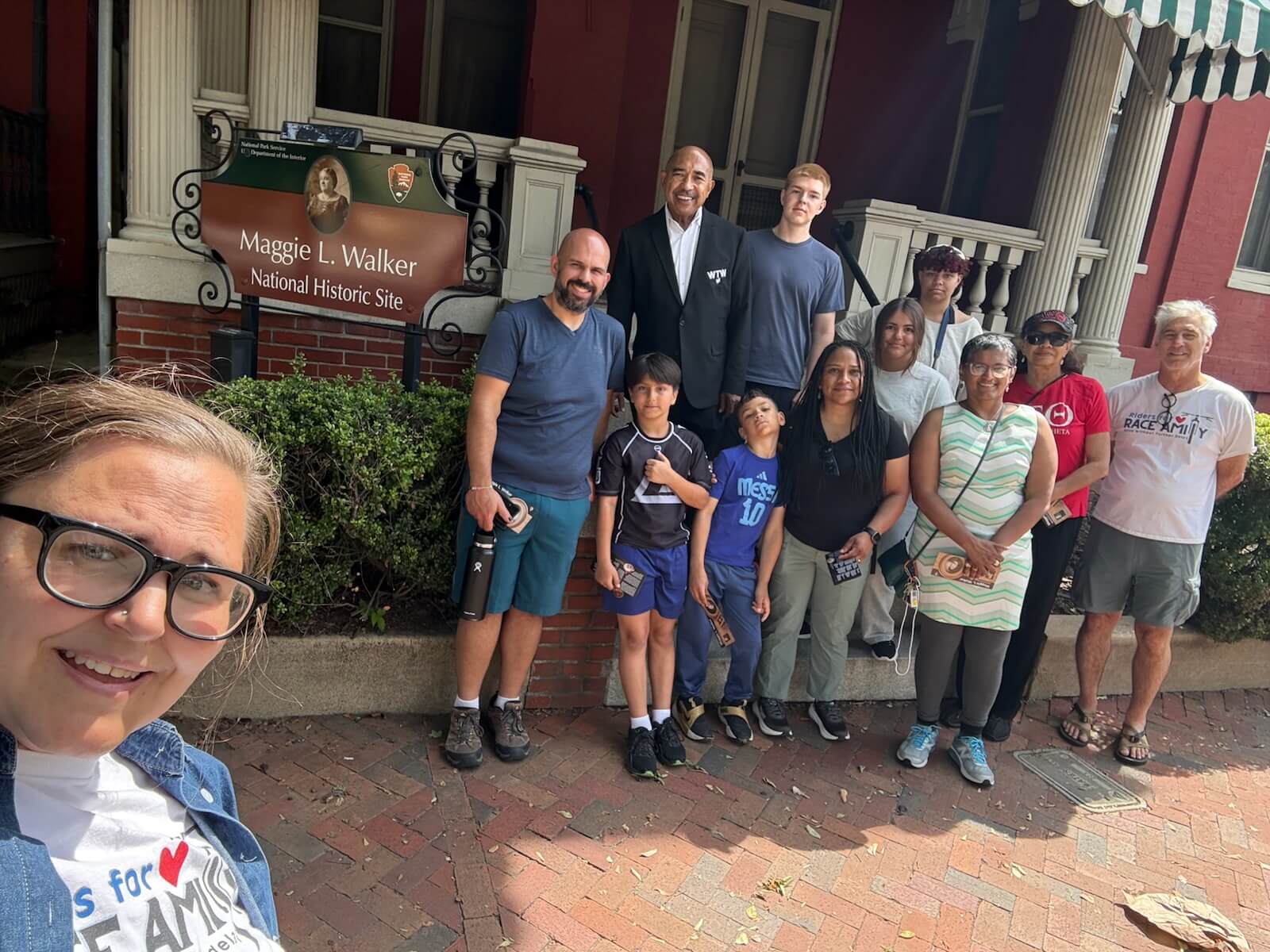
At the Maggie Walker historic site in Richmond VA
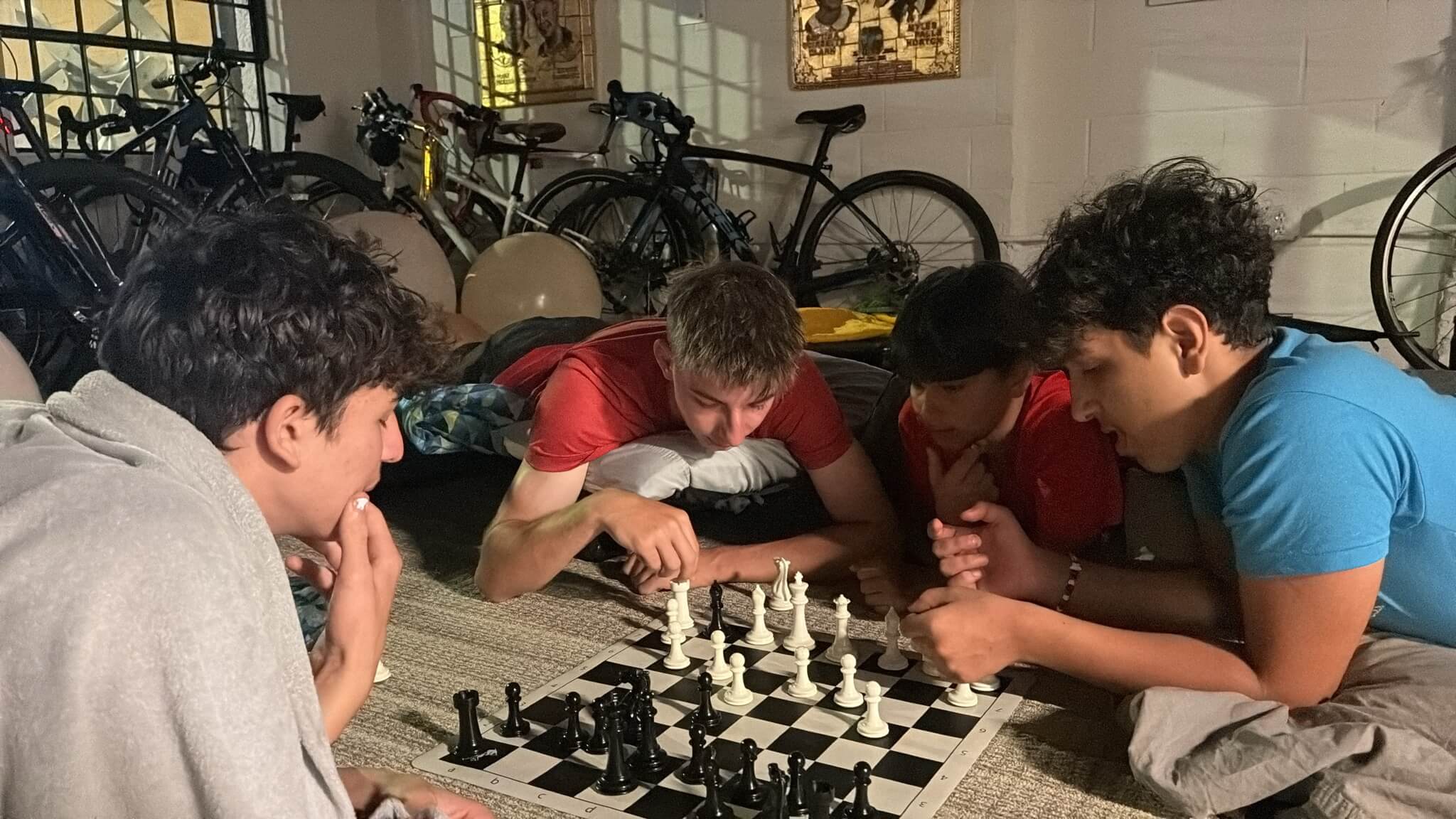
Riders recharge at the Race Amity Institute in Atlanta
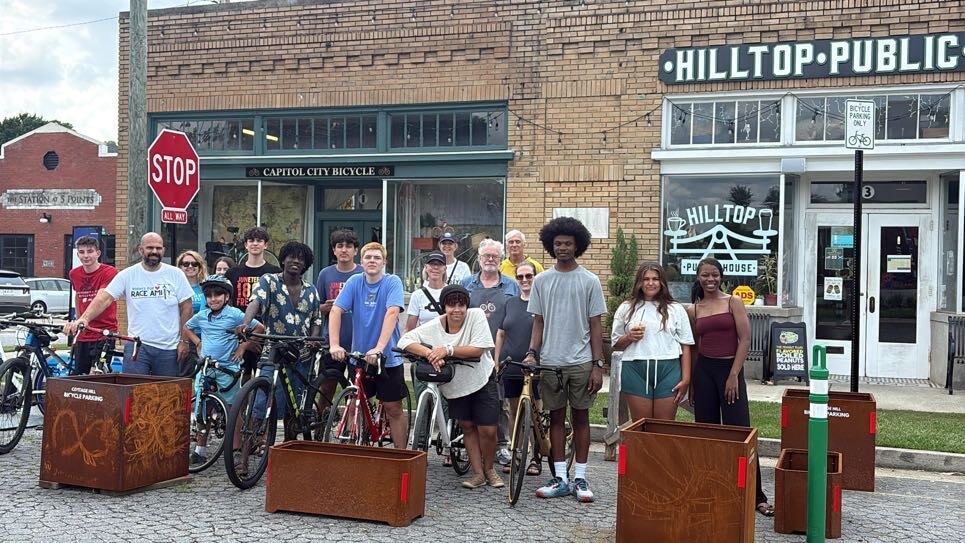
Pitstop in Montgomery AL
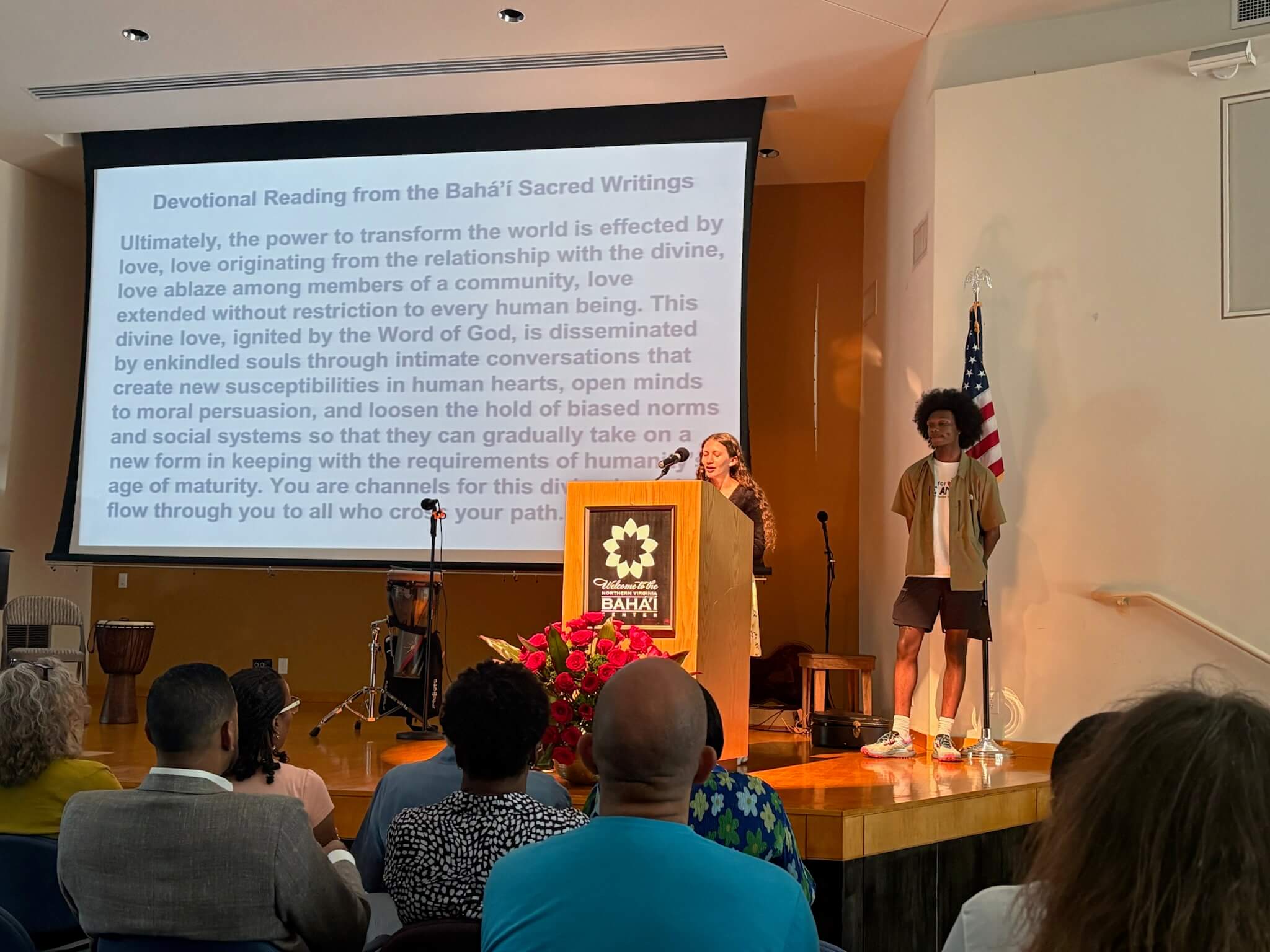
Presenting at the Northern Virginia Baha’i Center
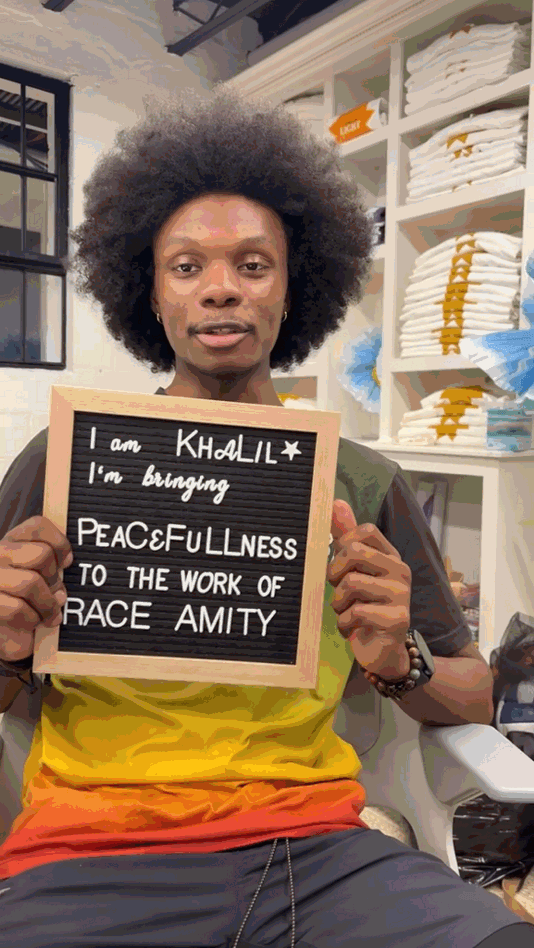
Peacefulness
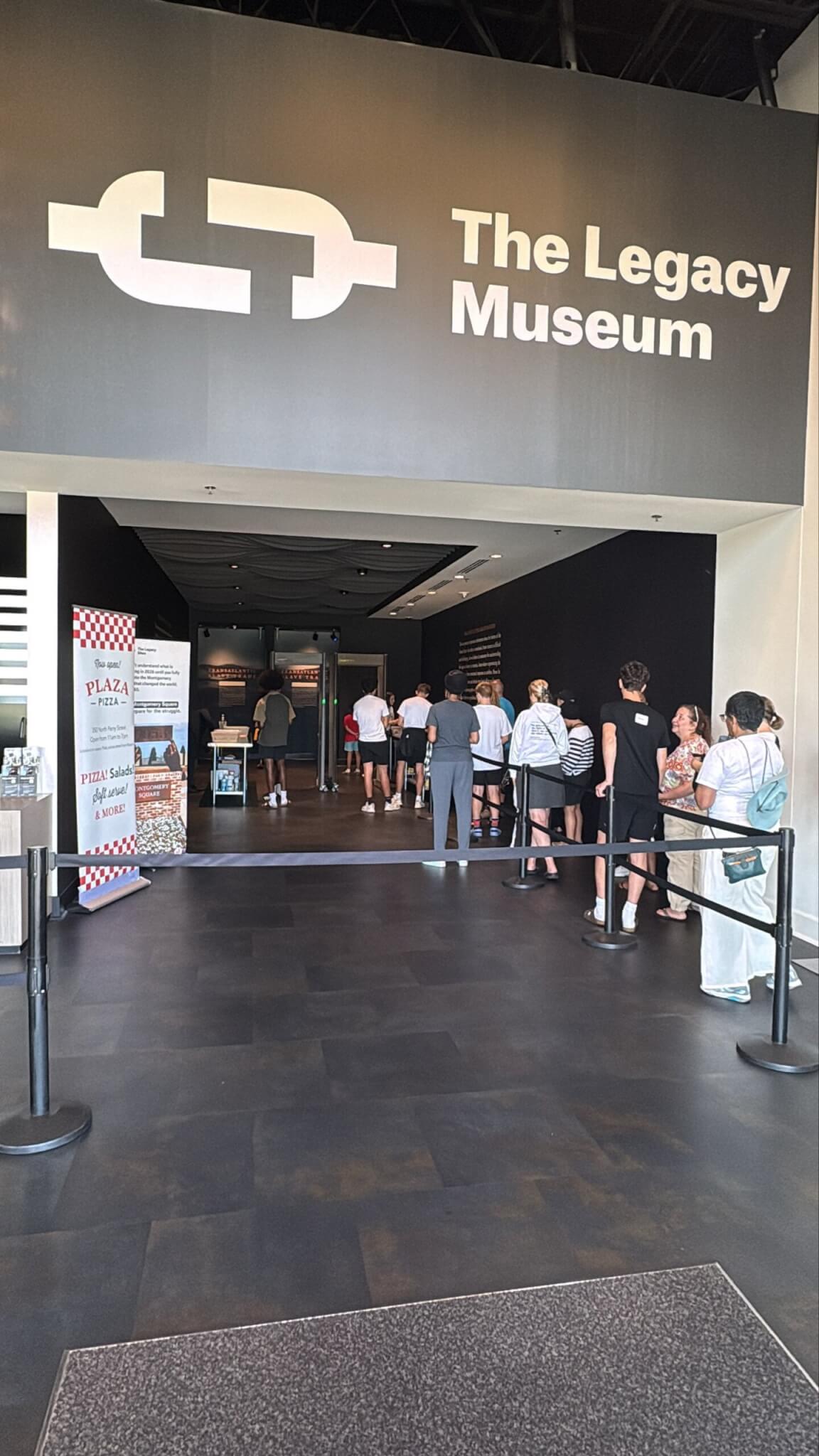
Legacy Museum
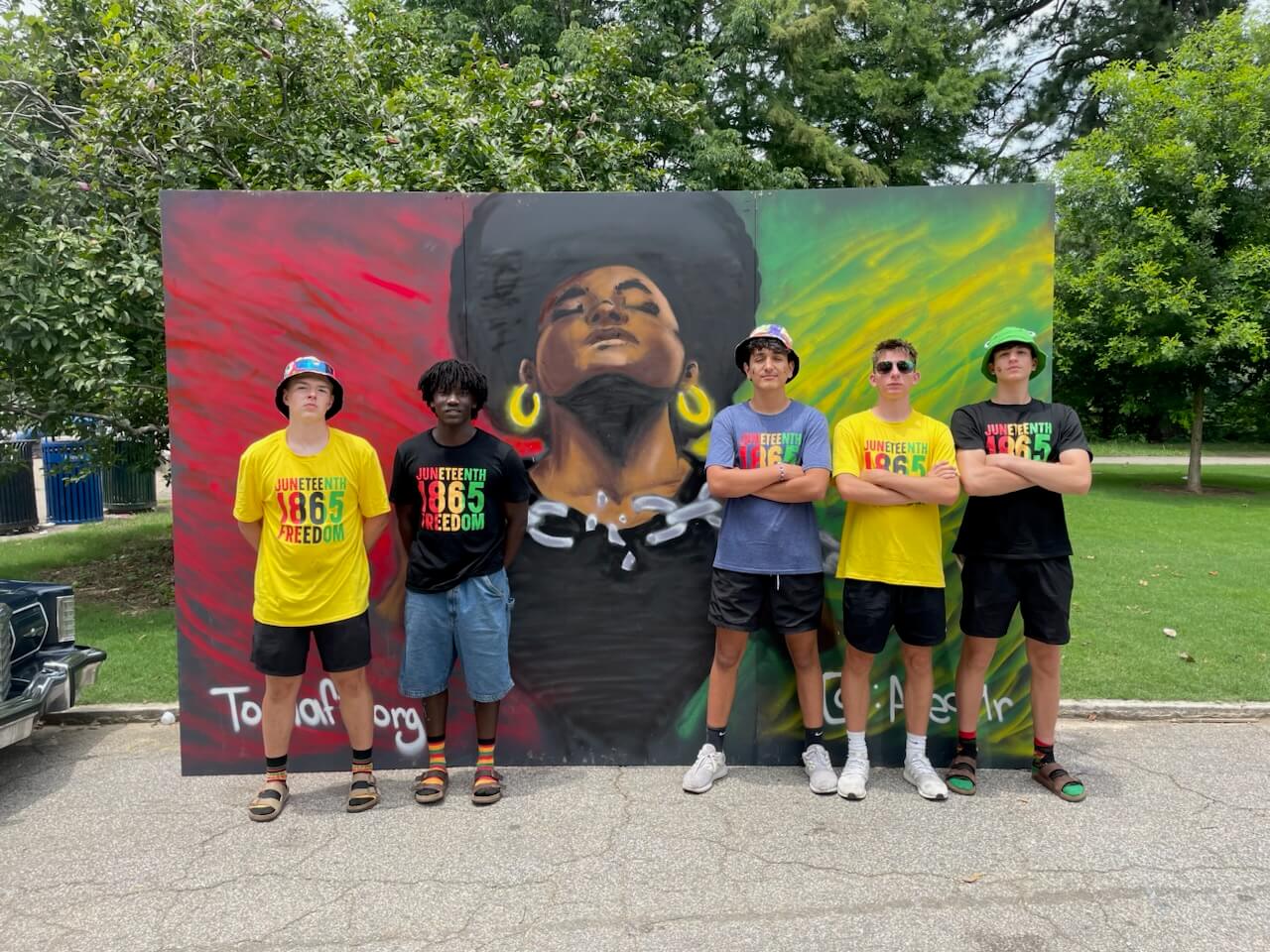
Juneteenth in Atlanta
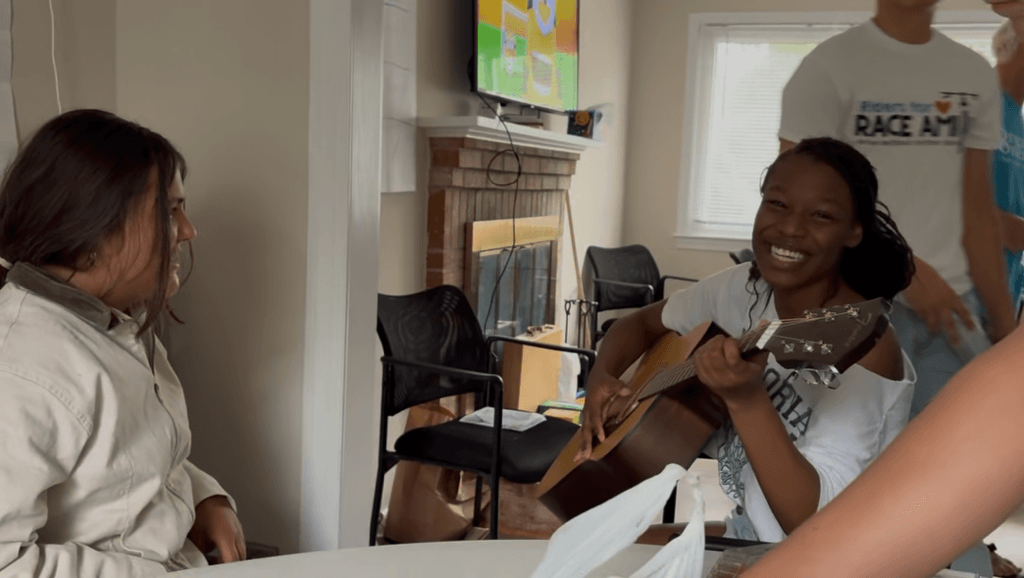
Joyfulness
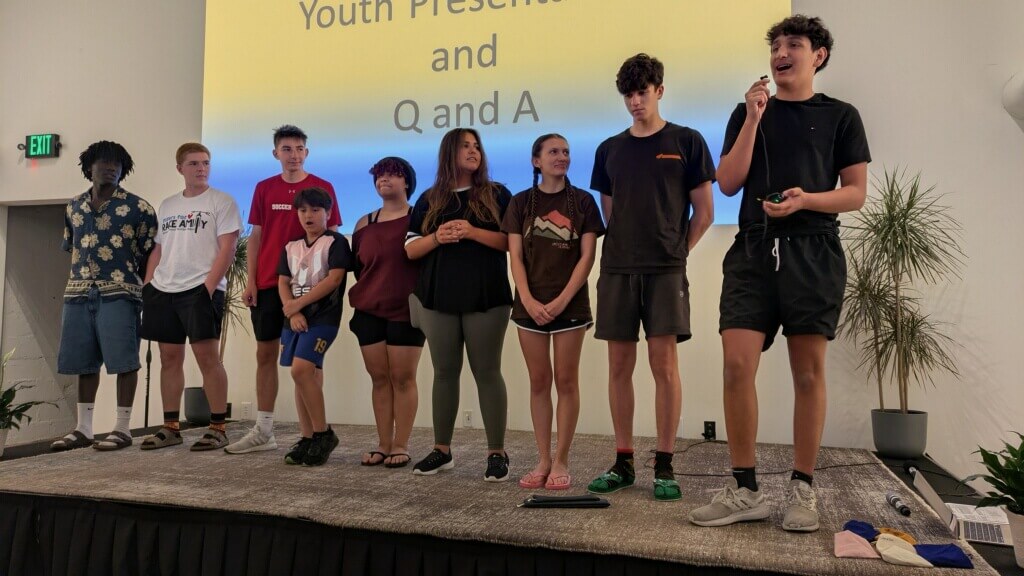
Sharing the Ride at the Atlanta Race Amity Institute
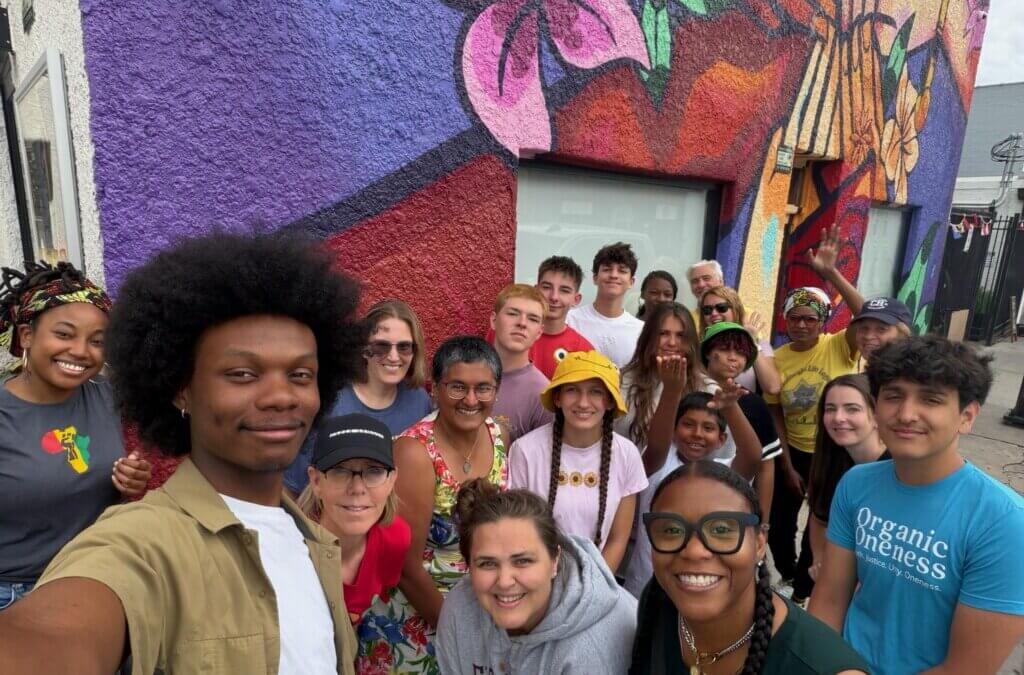
 In June 2026, an interracial group of teenagers, adult mentors, and support volunteers set out from Washington, DC, on a two-week cycling journey inspired by the civil rights Freedom Riders.
Traveling through Virginia, North Carolina, Georgia, Alabama, and Mississippi, they visited historic sites, met civil rights witnesses and community leaders, conducted Race Amity Roundtables, and participated in service and public-engagement activities. The Ride was more than a physical challenge. It was a traveling classroom and leadership experience grounded in history, friendship, service, and racial healing.
Beginning with Purpose
Before taking to the road, the young riders reflected on the virtues they would bring to the work of race amity. The conversation set the tone: participants were not traveling merely to observe history, but to listen carefully, speak honestly, support one another, and consider how the past should shape their choices.
According to Kate Vestlie, one of the organizers of the Ride, the youth “courageously took steps to feel the pain of others due to racism through learning history; listening and hearing stories; and engaging in deep conversation. This opened our hearts to the oppression which still exists.”
In Richmond, the group explored historic Jackson Ward. In Greensboro, riders visited Guilford College, learned about the area’s connection to the Underground Railroad, and toured the International Civil Rights Center & Museum at the site of the historic Woolworth lunch-counter sit-ins.
These experiences showed that the movement for racial justice was sustained not only by nationally recognized leaders, but also by students, families, faith communities, organizers, and ordinary citizens willing to take extraordinary risks.
Dialogue and New Friendships
Race Amity Roundtables were central to the journey. In one session, three adult tables and four youth tables explored the difference between intent and impact before returning for a collective reflection.
In Charlotte, the riders visited the Greyhound bus station associated with the Freedom Rides and gathered with Harvesting Humanity and The Males Place, an organization that mentors Black boys and young men. They also learned from the Charlotte-Mecklenburg Remembrance Project, which preserves the history of racial terror and encourages communities to confront painful local histories.
These gatherings allowed young people and adults to listen across differences, question assumptions, and connect historical injustice to present-day relationships. At every stop, the group formed new friendships with local hosts, youth, educators, faith communities, and volunteers.
Sharing Race Amity in Atlanta
The riders arrived in Atlanta on June 19 and gathered at the National Center for Race Amity’s Race Amity Institute on Edgewood Avenue for a roundtable on the importance of interracial friendship.
On Saturday, June 20, they participated in Atlanta’s annual Juneteenth parade. Along the route, the riders handed out hundreds of postcards and stickers to spectators, sharing the spirit and message of race amity with the wider community.
Atlanta also marked the halfway point of the trip and gave the group time to rest and prepare for Birmingham, Montgomery, Selma, and Jackson.
Young People Finding Their Voices
Throughout the Ride, the teenagers became not only students of history but also interpreters and teachers. They spoke at public gatherings, helped lead discussions, shared reflections, and answered questions from supporters following the journey online.
During the Birmingham portion of the trip, the youth gave a live online presentation and question-and-answer session. Their growing confidence was one of the Ride’s most important outcomes. Participants learned that their voices could help others examine history, develop friendships across differences, and take constructive action.
Confronting History in Montgomery and Selma
In Montgomery, the riders visited the Legacy Museum, whose exhibits trace the connections among enslavement, racial terror, segregation, and mass incarceration.
The visit produced some of the journey’s most powerful reflections. Seneca, one of the youth participants, wrote, “I really love this museum and I feel really connected to it at a deep level.” She reflected especially on the separation of families under slavery and the ways families continue to be separated through the criminal justice system.
Kathy, an adult participant who experienced the museum alongside Seneca, wrote, “This museum is so visceral and touches you at the heart level.” Their conversation demonstrated the value of young people and adults learning together, asking difficult questions, and making room for both grief and responsibility.
The group also traveled on the Alabama River while reflecting on its role in the trafficking of enslaved people. Later, riders met a civil rights foot soldier who had joined the Selma-to-Montgomery movement at age 13. He explained that he marched so his mother could have the right to vote. His testimony connected the young riders directly with someone who had taken enormous risks for justice while still a child.
Completing the Journey
From Selma, the riders completed their final cycling route to Jackson, Mississippi. There they learned about the RECH Foundation, which supports formerly incarcerated people and families affected by the justice system.
They also met Hezekiah Watkins, who became involved with the Freedom Riders at age 13 and endured arrest and imprisonment under segregation. After two weeks following the Freedom Riders’ route, meeting someone who had lived that history brought the journey’s purpose into sharp focus.
Participants returned home with a deeper understanding of American history, stronger public-speaking and leadership skills, and new friendships across racial, generational, and geographic lines.
Most importantly, the young riders saw themselves as part of the continuing work of racial healing. They learned that they do not have to wait until adulthood to contribute. Through the friendships they form, the stories they share, the service they offer, and the choices they make, they can help move their communities—and the country—toward greater unity.
“We were able to acknowledge the painful history and current reality, and the African American people who we met felt that acknowledgement and opened their hearts to us as a result,” said Ride organizer Kate Vestlie. “It became clear that listening and acknowledging is necessary to get to a deeper level of trust. Only then can we have true unity and community building working toward justice. This became our meaning for race amity.”
To learn more about Riders for Race Amity and support future journeys, visit riders4raceamity.org.